What is your Dream for the Future?
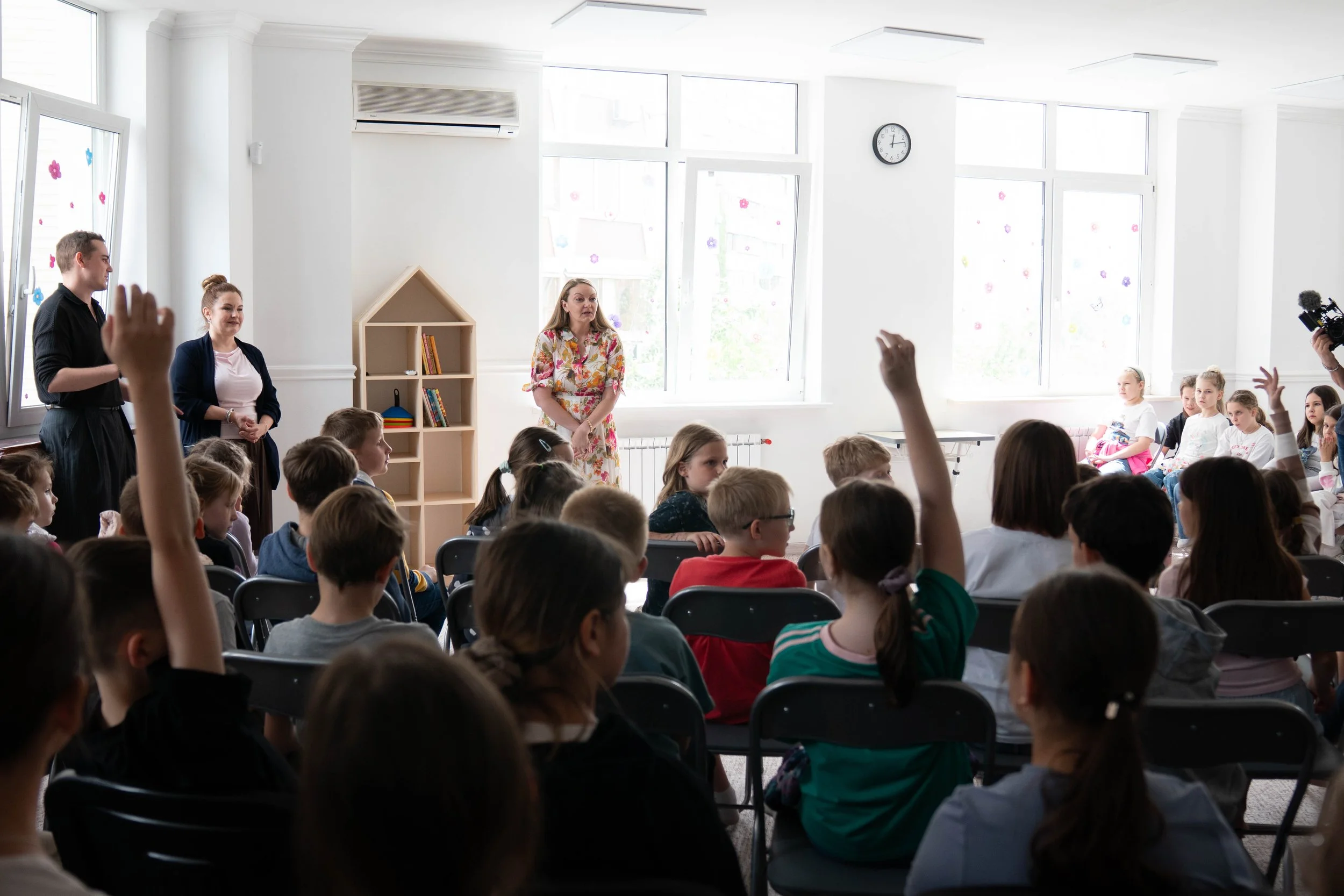
The conversation was drawing to a close, but the children clearly had no intention of letting their guest leave just yet. Over the course of nearly an hour, they had asked her about military service, life in America, family, travel, and favorite hobbies. They had recommended that she try Zhyvchyk, Ukraine’s beloved apple soda, and even suggested that she buy a Bob the Snail for her daughter. It seemed as though the questions would never run out. Yet one student still managed to ask one more.
“What is your dream for the future?” Amy Goodrich, HUT’s Director of Programs and Development, paused for only a moment.
“I dream that the war will end and for all the Defenders to come home.”
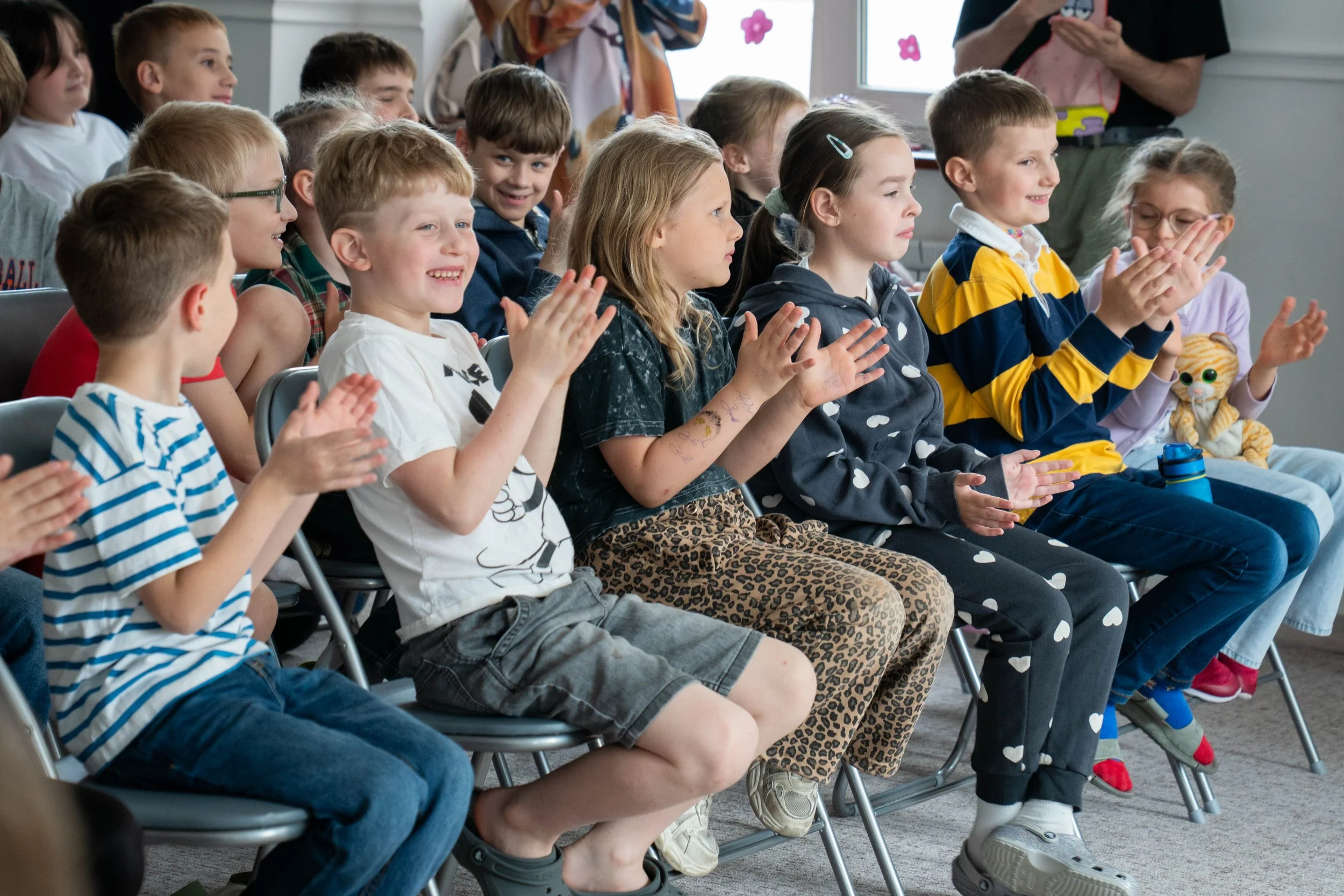
The room erupted in applause.
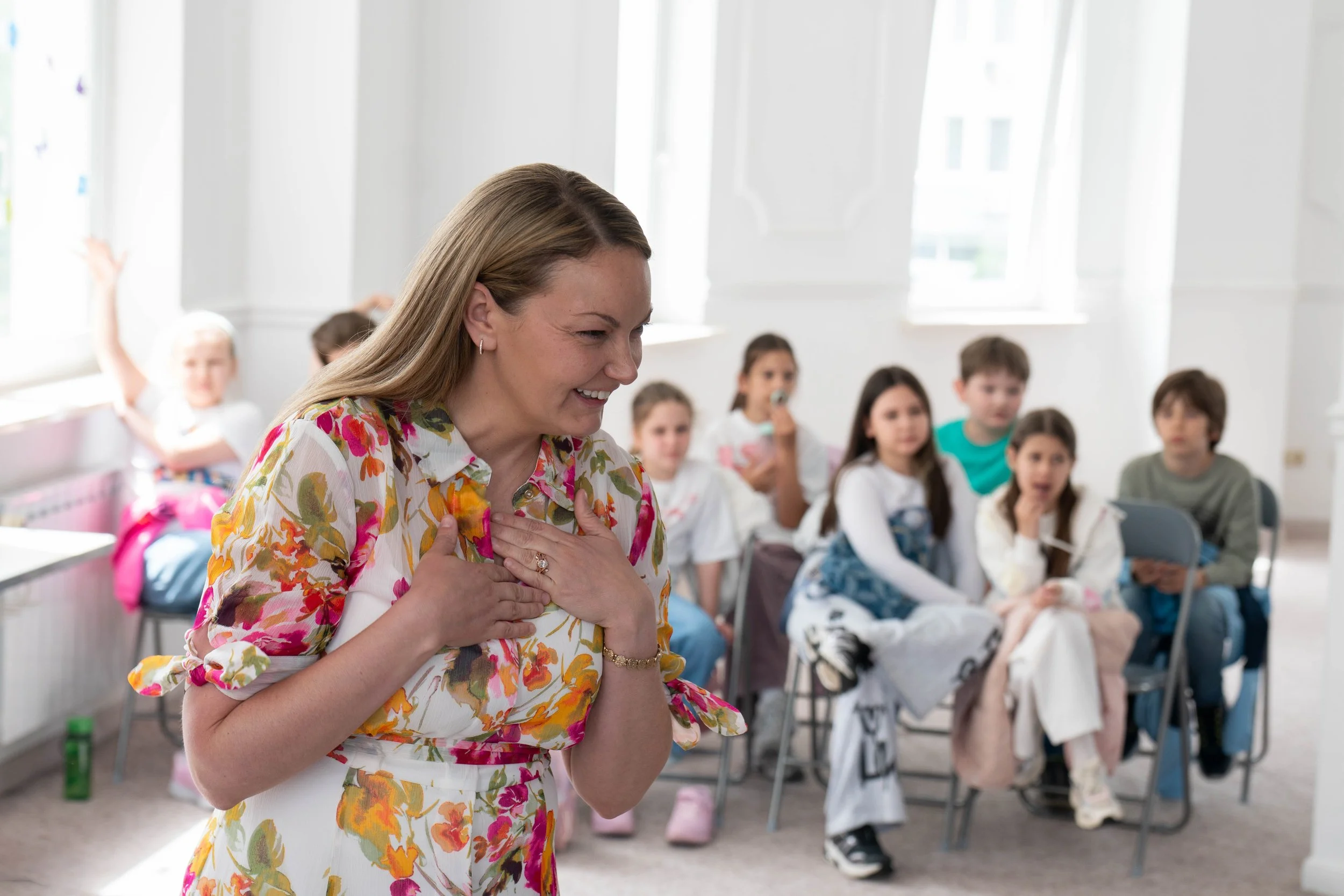
That was how Amy Goodrich's visit to Educator School in Kyiv came to an end. Yet perhaps that moment is the best place to begin the story, because it captured something that transcended language, nationality, and age: a shared hope for a future without war.
Adults often assume that children are most interested in gifts. In reality, the greatest gift that day turned out to be the conversation itself: lively, curious, and full of laughter, unexpected questions, and the kind of openness that allows a discussion to move effortlessly from military service to favorite drinks and children’s books.
Although there were gifts, too.
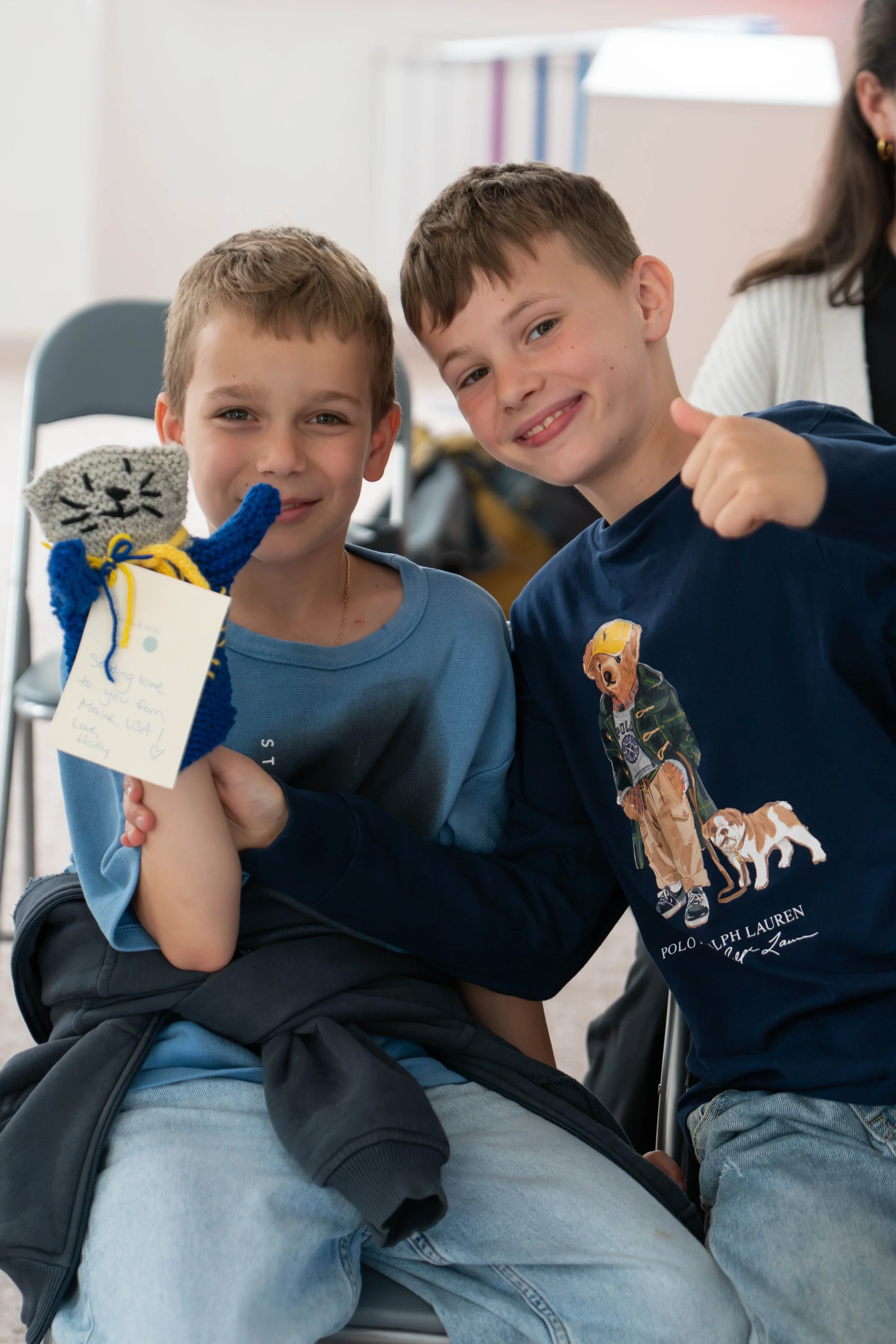
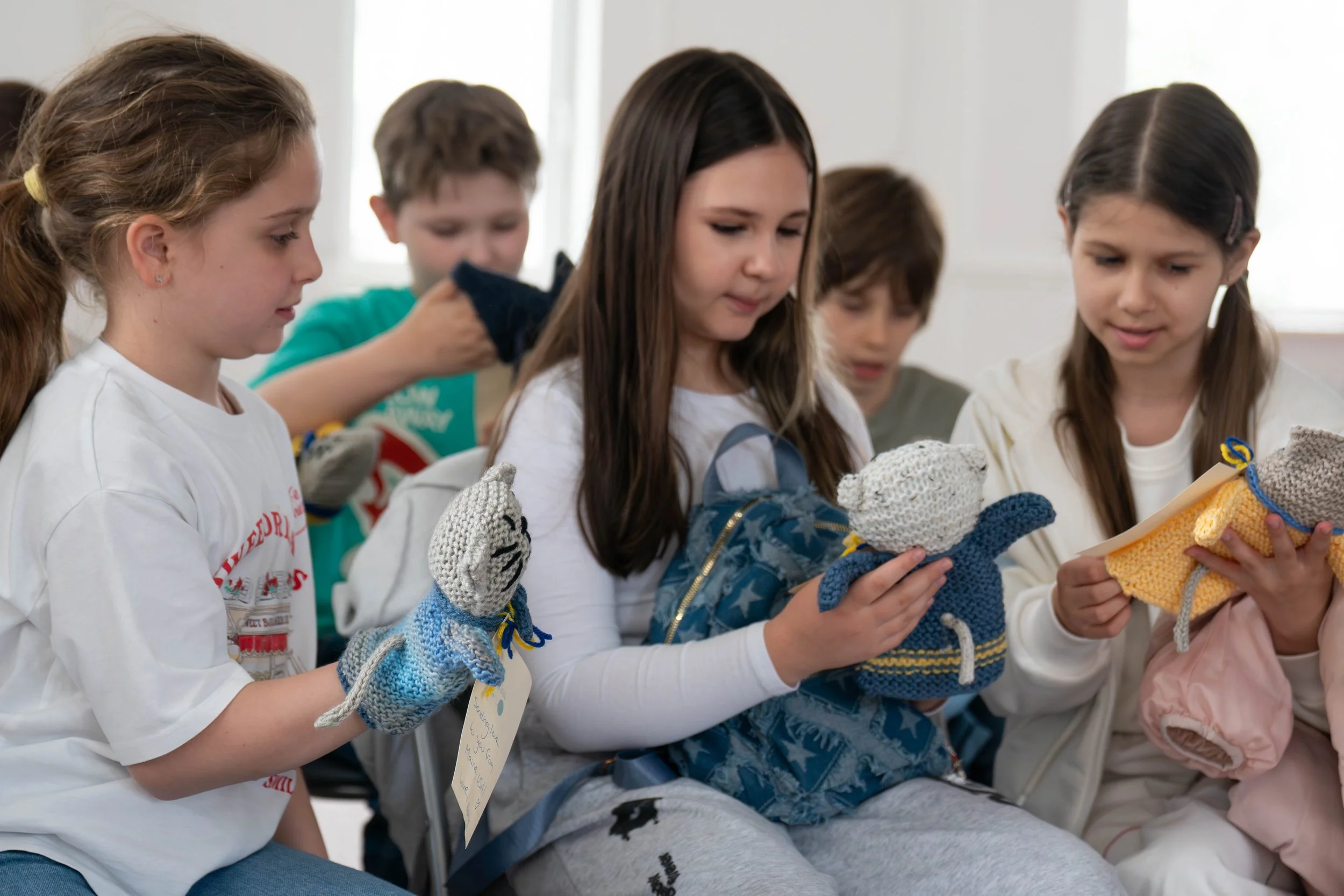
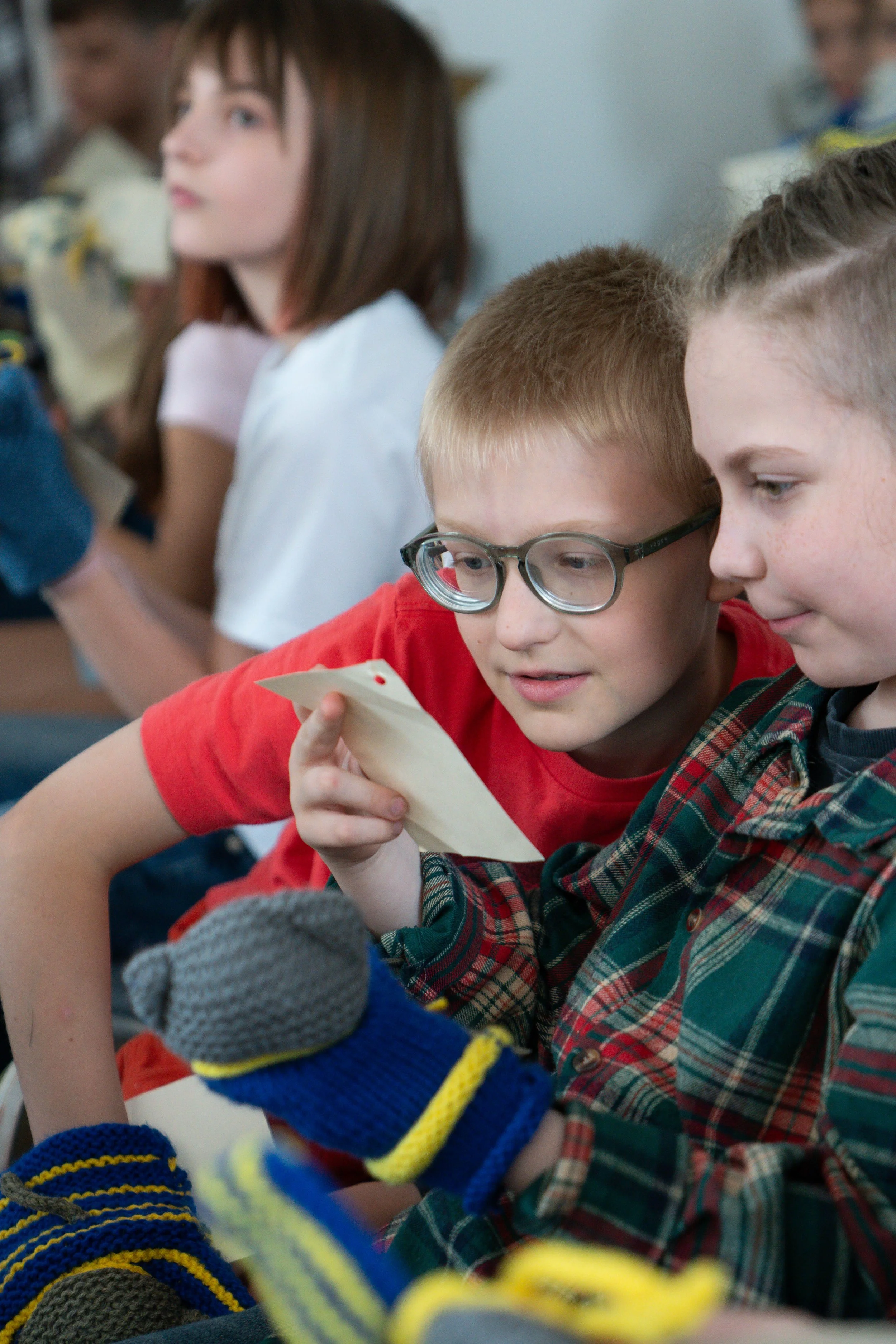
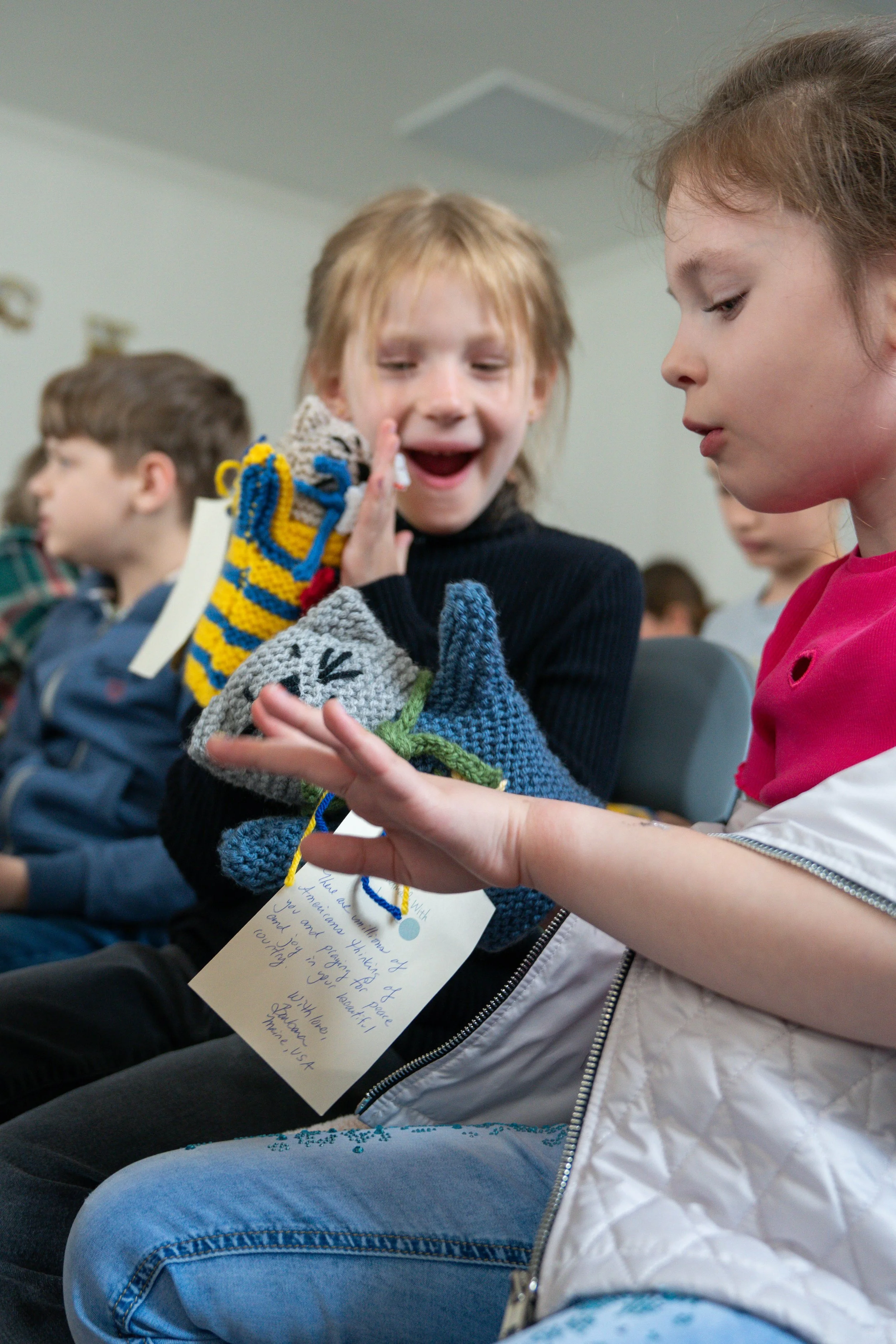
Amy arrived carrying dozens of knitted cat puppets made by Connie Rose and a group of fellow knitters from Maine. For months, they had been handcrafting these small cats for Ukrainian children, investing not only their time and skill but also a simple human desire to support Ukrainian children growing up during the war.
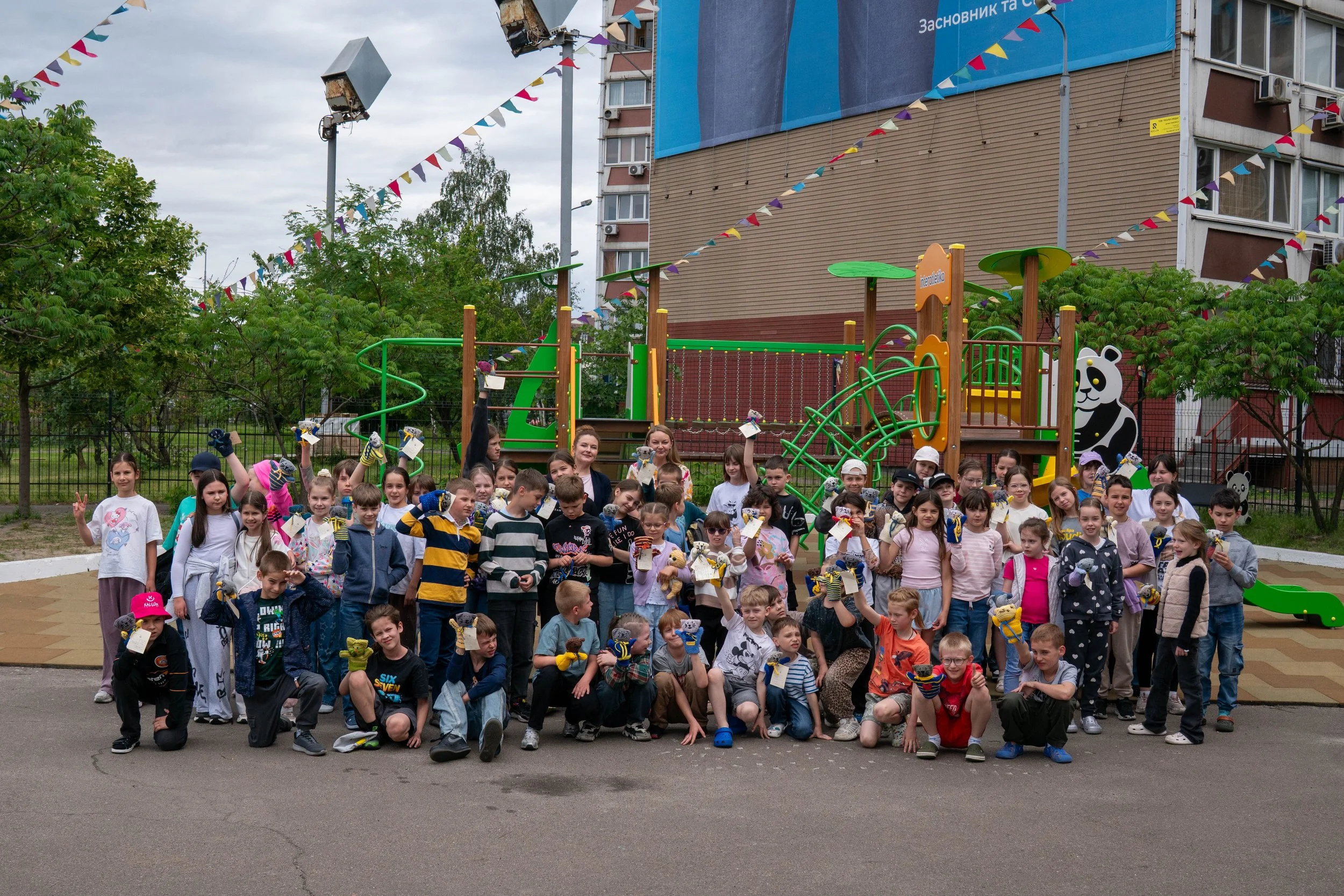
When the cats finally found their new owners, the room became even more animated. The children immediately named them, tried them on, showed them to friends, and posed for photographs. Yet even then, they quickly returned to the conversation with Amy.
Perhaps it was because they were speaking with someone whose life experience differed so greatly from their own. Or perhaps curiosity is simply stronger than distance, borders, and differences in age.
After the visit, Amy reflected on what impressed her most.
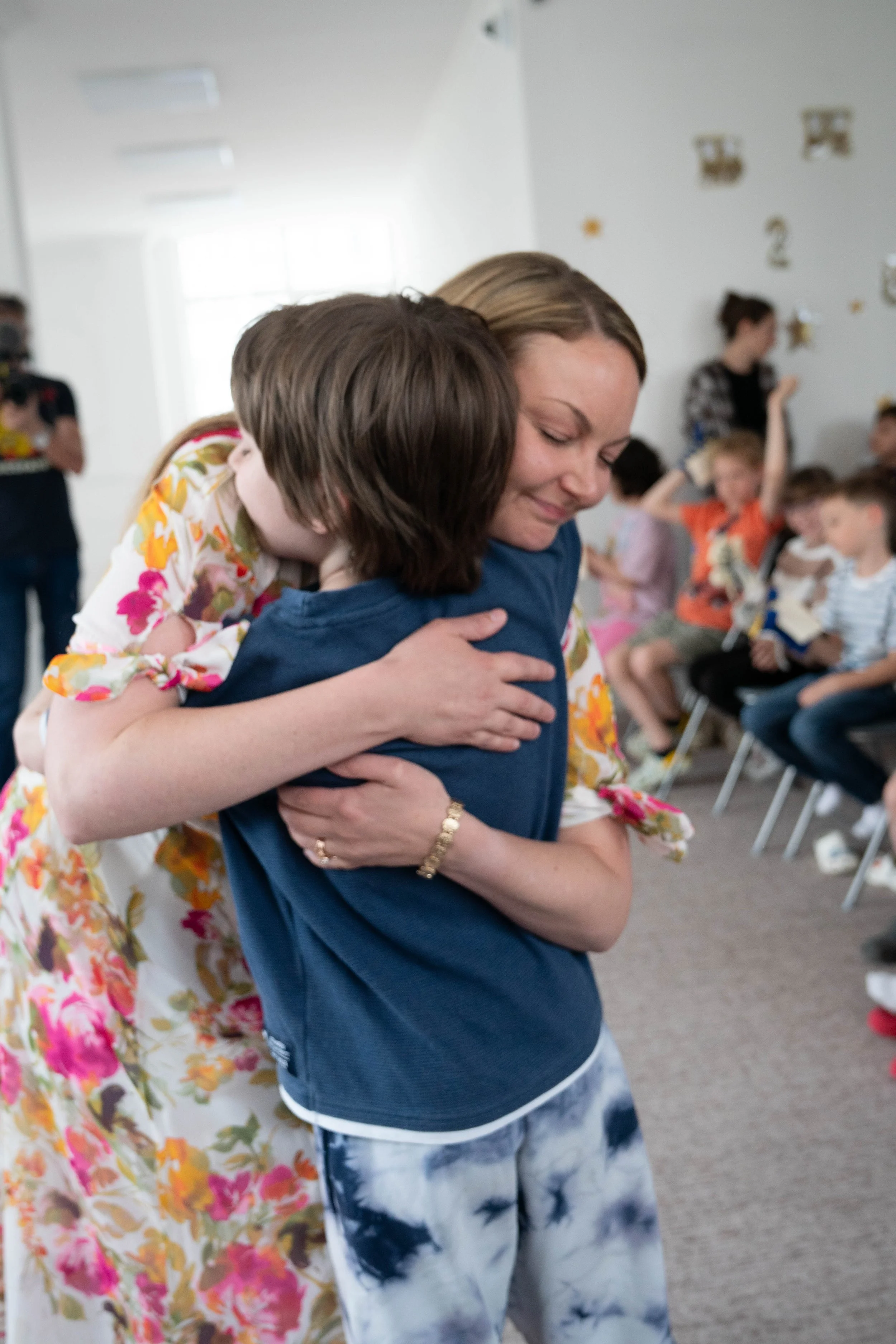
“I expected to answer a few questions, but I didn’t expect such a thoughtful conversation,” Amy said. “The children were engaged, curious, and eager to learn. They made me laugh, challenged me with great questions, and reminded me how powerful simple human connection can be.”
At Heal Ukraine Trauma, we often talk about mental health, resilience, and recovery. Yet sometimes the power of human connection is best expressed through moments like these: when a woman in Maine knits a small cat for a child she has never met; when an American veteran answers questions from Ukrainian schoolchildren; when a conversation between people separated by thousands of miles unexpectedly ends with a shared dream of a world without war.
We are deeply grateful to Educator School for its warm welcome, and to Connie Rose and her fellow knitters for sending a little piece of comfort across the ocean to Ukrainian children.