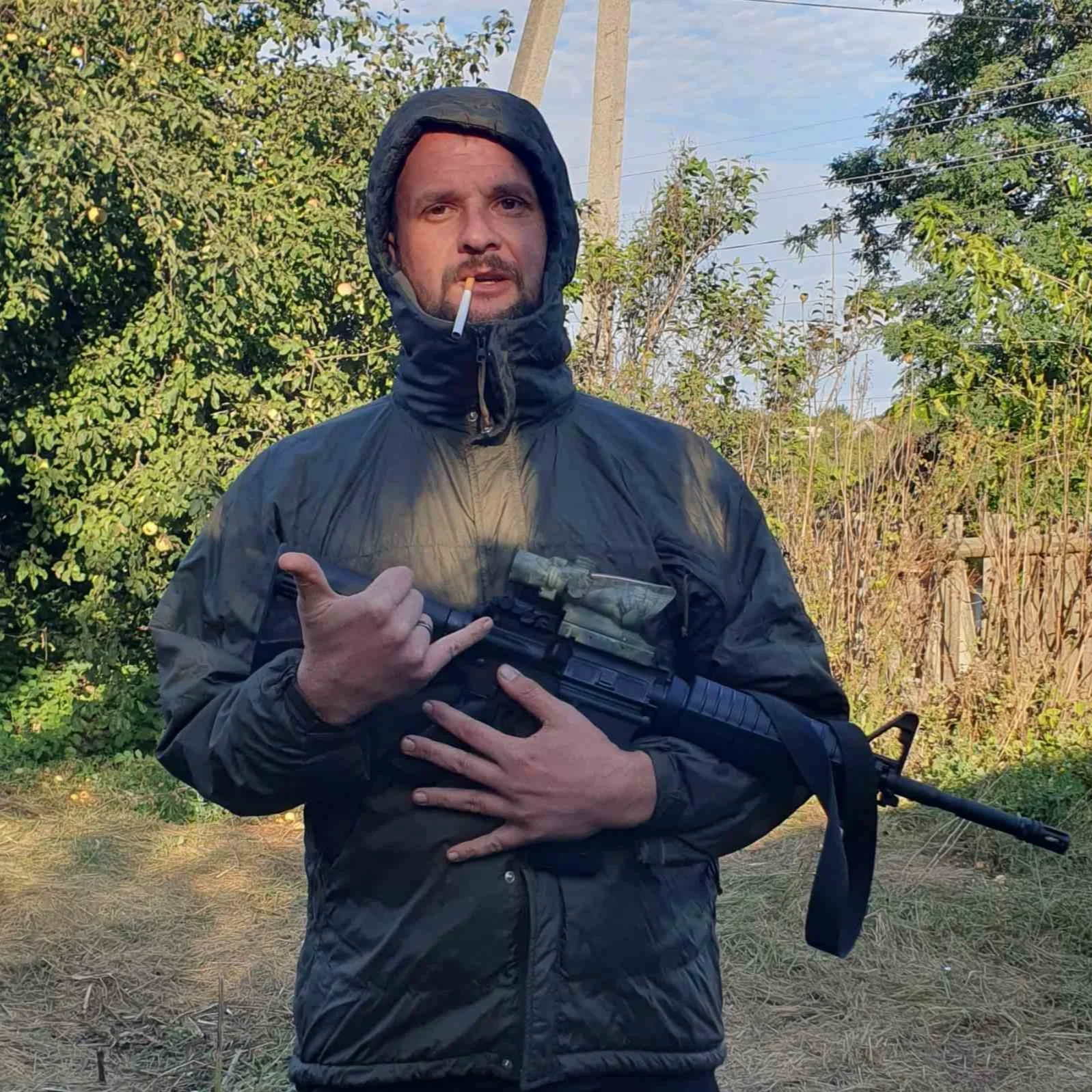
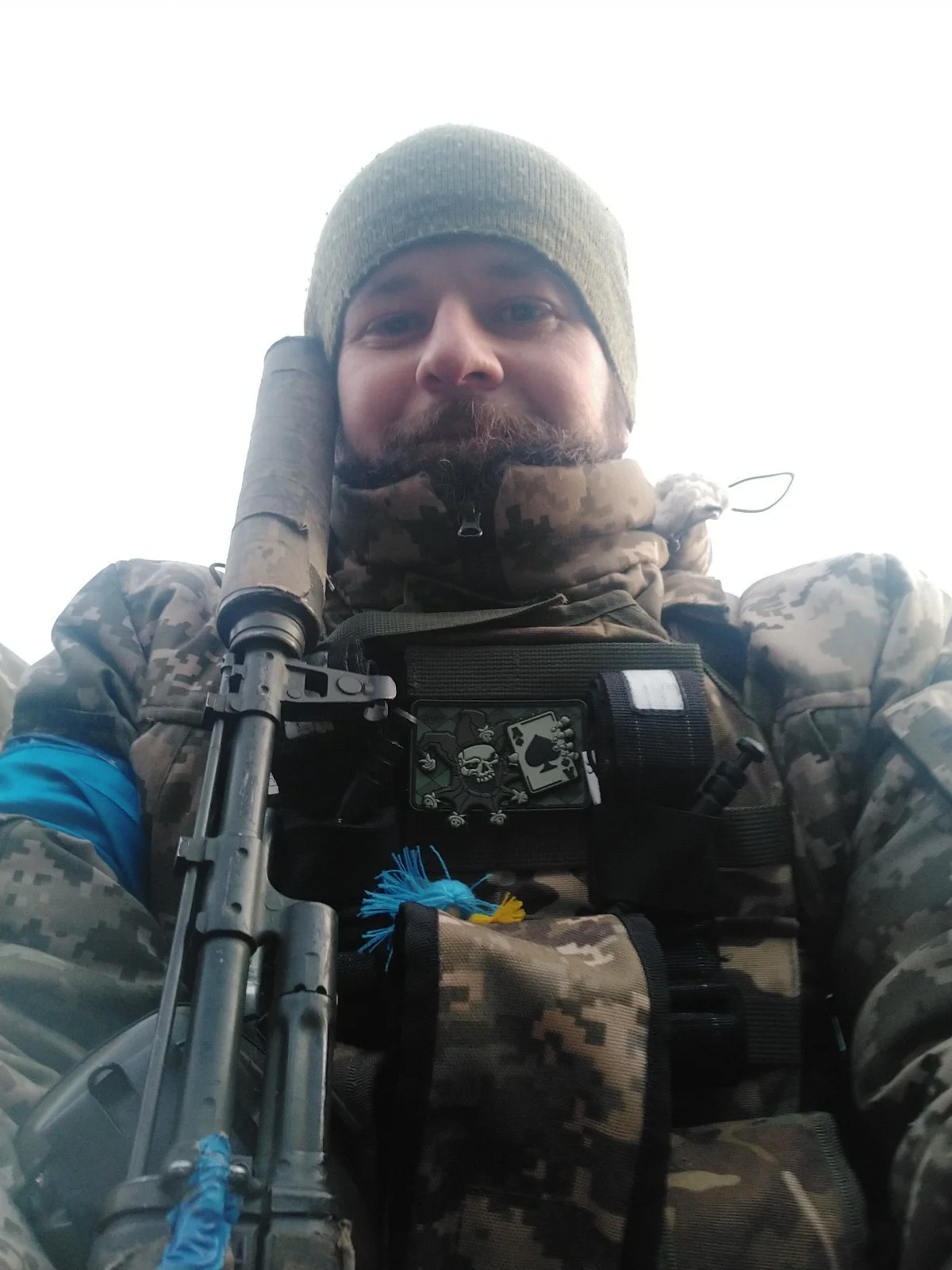
The Story of Yevhen Danylenko “Murakha”
“For a year, every night, I saw the same dream — they came to me, my fallen brothers”
After Kupiansk, where Yevhen Danylenko lost almost his entire combat unit, nights ceased to offer rest. For a year, the same dream returned without variation: his fallen brothers, coming back again and again. Daytime brought little relief. Life lost its clarity and structure, dissolving into panic attacks, hospital stays, and repeated attempts to hold himself together. Gradually, it narrowed to the confines of his home — a space that became increasingly difficult to leave.
When the full-scale invasion began, there was little time for reflection. The decision came almost immediately: first territorial defence, though with a clear inner sense that this was only a step. His place, he felt, was in the Armed Forces. When a friend received a draft notice, Yevhen was already prepared — in uniform, in and body armour. He handcuffed himself to his friend and went with him. Among his comrades, he quickly became known as “Murakha,” “Ant,” for his ability to endure more than others, and to carry weight further and longer than seemed possible.
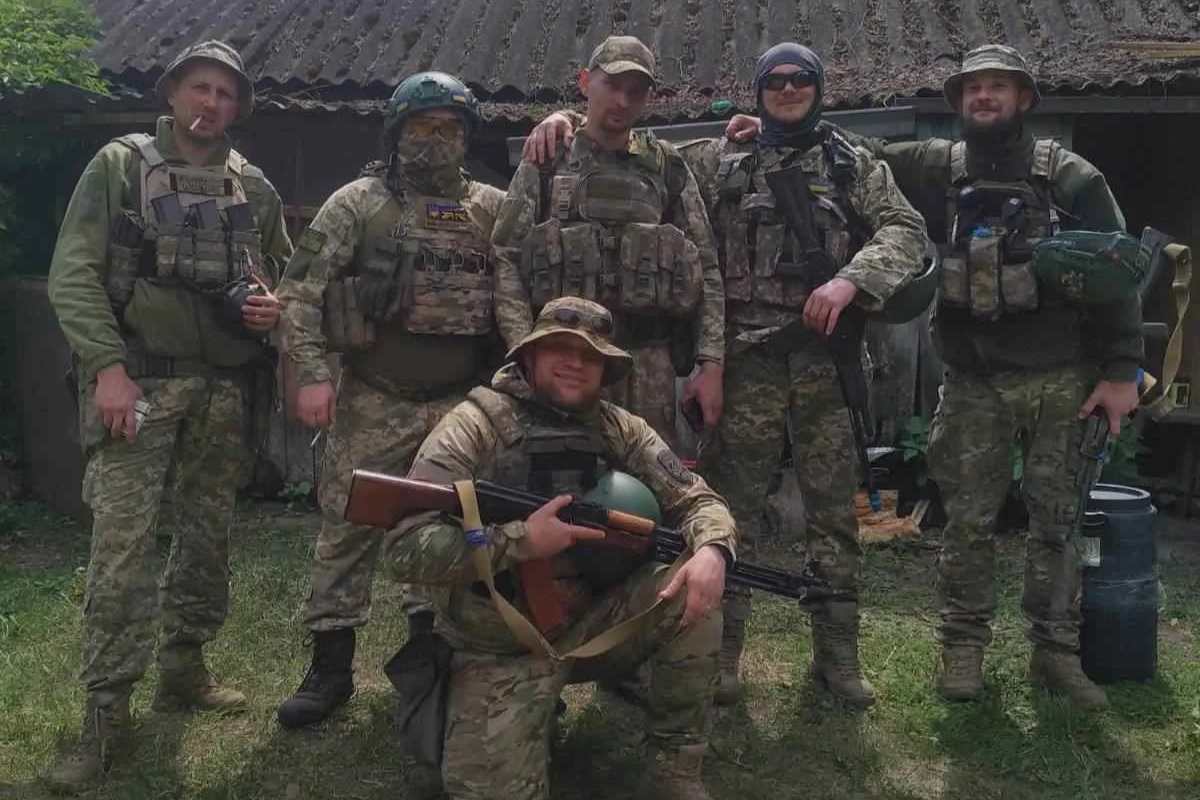
According to Yevhen, the front line resists narrative; it becomes less a series of episodes than a continuous state of tension, where time blurs and living at the edge becomes the only seemingly viable form of existence. Pisky, Opytne, Vodiane, a first injury, subsequent missions and losses — they do not align into a coherent structure. But Kupiansk marked a turning point. As Yevhen puts it, it was the moment when “I lost almost my entire combat family.”
On one occasion, five of them were meant to go out on a mission, but illness kept Yevhen back. None of the five returned. No explanation could make this fact bearable or comprehensible. Later, a guided bomb struck near where they had been staying. Yevhen found himself alone in a half-destroyed house, without heat or food, in a state of extreme exhaustion. It was then that he began to see his fallen brothers.
Murakha recalls that some participants had previously undergone individual KAP. For himself, he says, he would not have chosen that path because the shared experience was so valuable. In their group, there was a man who had remained silent for a long time because he simply could not speak. When, after the third session, he began to talk and to smile, it became, for everyone, an unmistakable return to life. That shared recognition — the ability to witness change in another — was something that could only emerge within a group, where one person’s growth becomes an important experience for all.
At the same time, Yevhen’s own internal state began to change through a gradual easing of tension and a softening of the constant internal pressure. It was during this period that his capacity for creativity returned, though in a different form. Having previously written poetry, he began working with music—using AI tools to compose, shaping sound and pairing it with text. It became a way of speaking about his experience where ordinary language proved insufficient.
One such piece is dedicated to Lisova Polyana. Yevhen experienced the hospital as a space marked by a particular atmosphere of care, where attention to the individual is felt in small details. This atmosphere creates a sense of safety andgives rise, quite naturally, to the feeling that one does not want to leave.
Yevhen notes that he still dreams only of the war. But the dreams are no longer bound by the same rigid repetition that once held him. He now experiences a sense of movement in his life. Alongside his treatment, he has begun studying AI and discovering new ways of thinking and creating. This, too, becomes a step outward into a life that is recovering not only its structure, but its meaning.
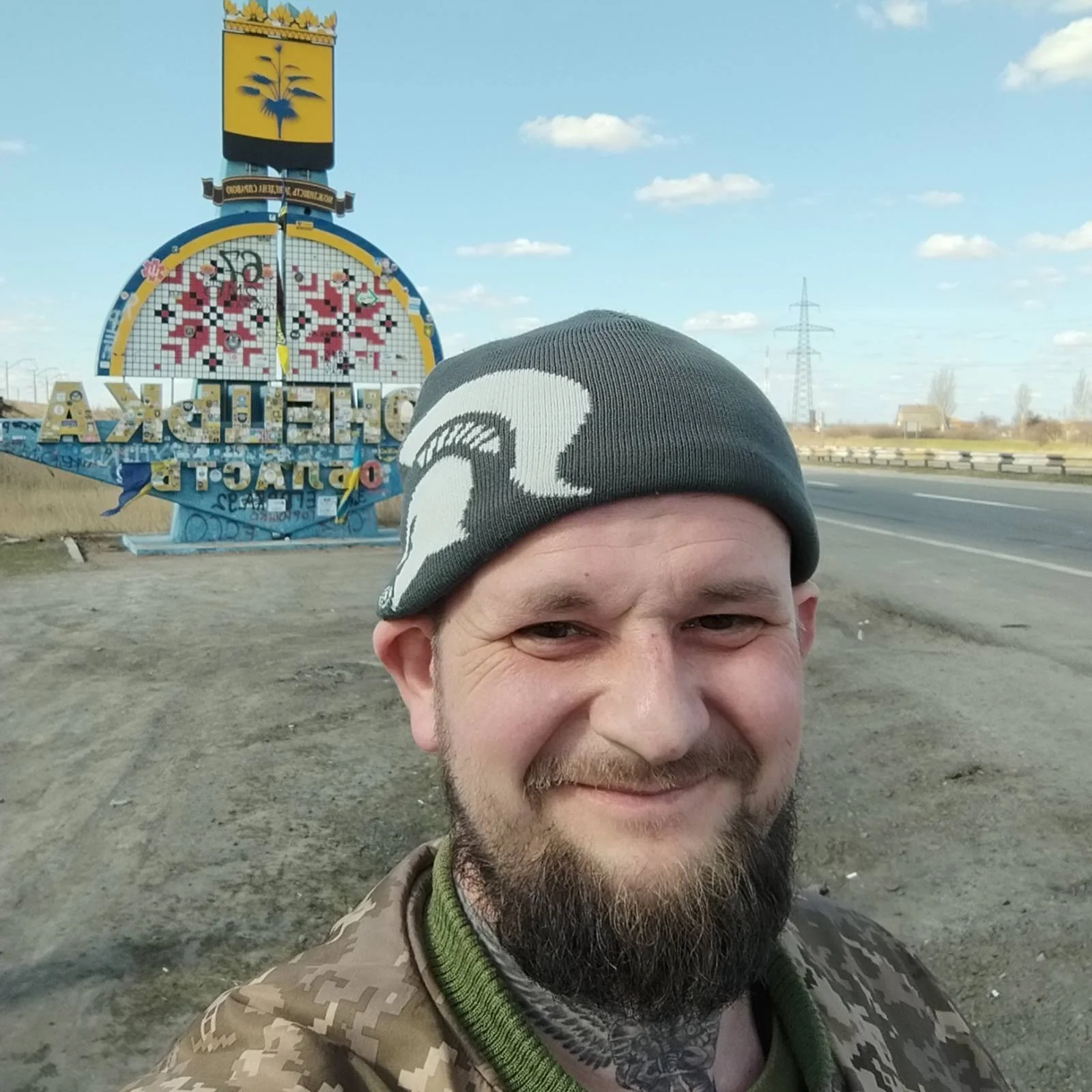
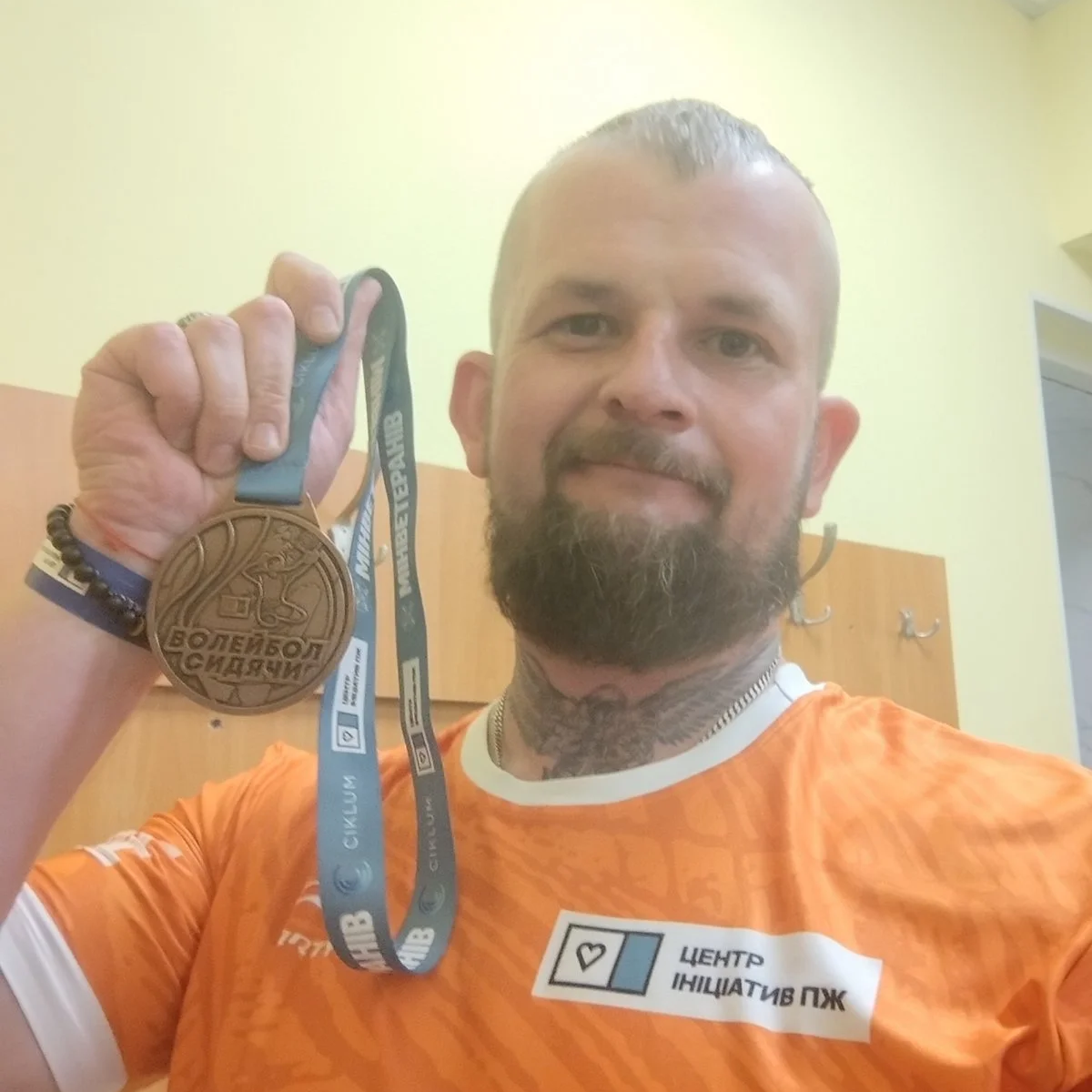
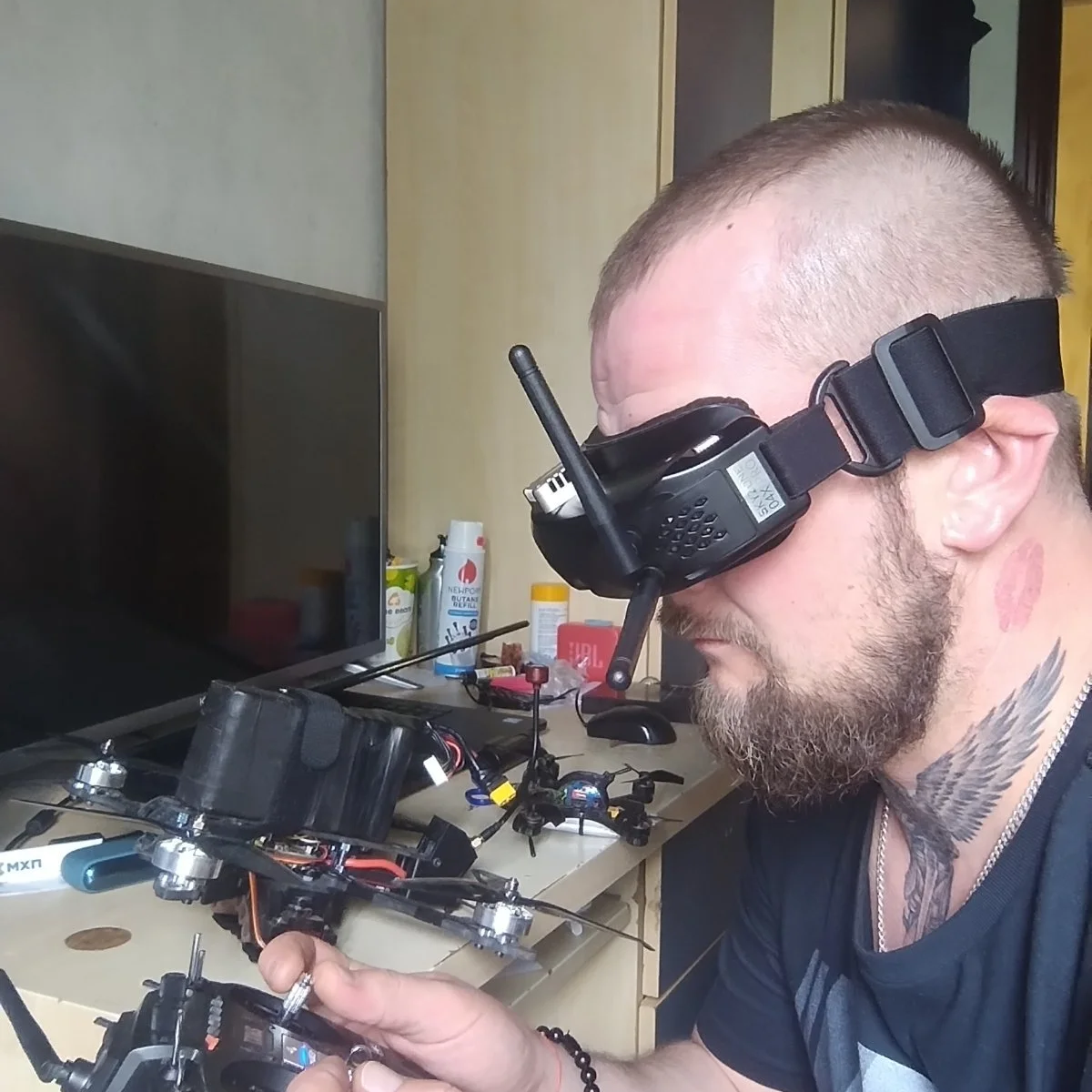
For a year, the same dream returned to Yevhen each night, unchanged, without deviation, bringing him back to where everything had already happened, and yet had not concluded. Such sleep only deepens fatigue. During the day, the aftereffects persisted in sudden panic attacks that stripped away control, his body reacting faster than thought. Even stepping outside became an effort; at times, it felt impossible. The external world appeared too sharp, too unpredictable.
A long period of treatment followed. Hospitals changed, therapeutic approaches were adjusted, medications brought temporary relief but did not alter the overall condition. It felt like moving in a circle — attempts at stabilisation without a sense of exit. At some point, a doctor suggested group ketamine-assisted psychotherapy (KAP) to Yevhen. The proposal did not immediately inspire trust. It implied entering an unfamiliar kind of experience, one that involved a shift in perception and a degree of relinquished control — something that naturally provoked hesitation.
Yet Yevhen understood that he could not remain in the same state. He joined a group of veterans who had been living with treatment-resistant depression for years. The therapeutic process unfoldedgradually into a different mode of experience. During the KAP sessions, his perception shifted. Between the sessions, there was the work of the group — making sense of these experiences, and, just as importantly, feeling a form of peer support that required no explanation.