
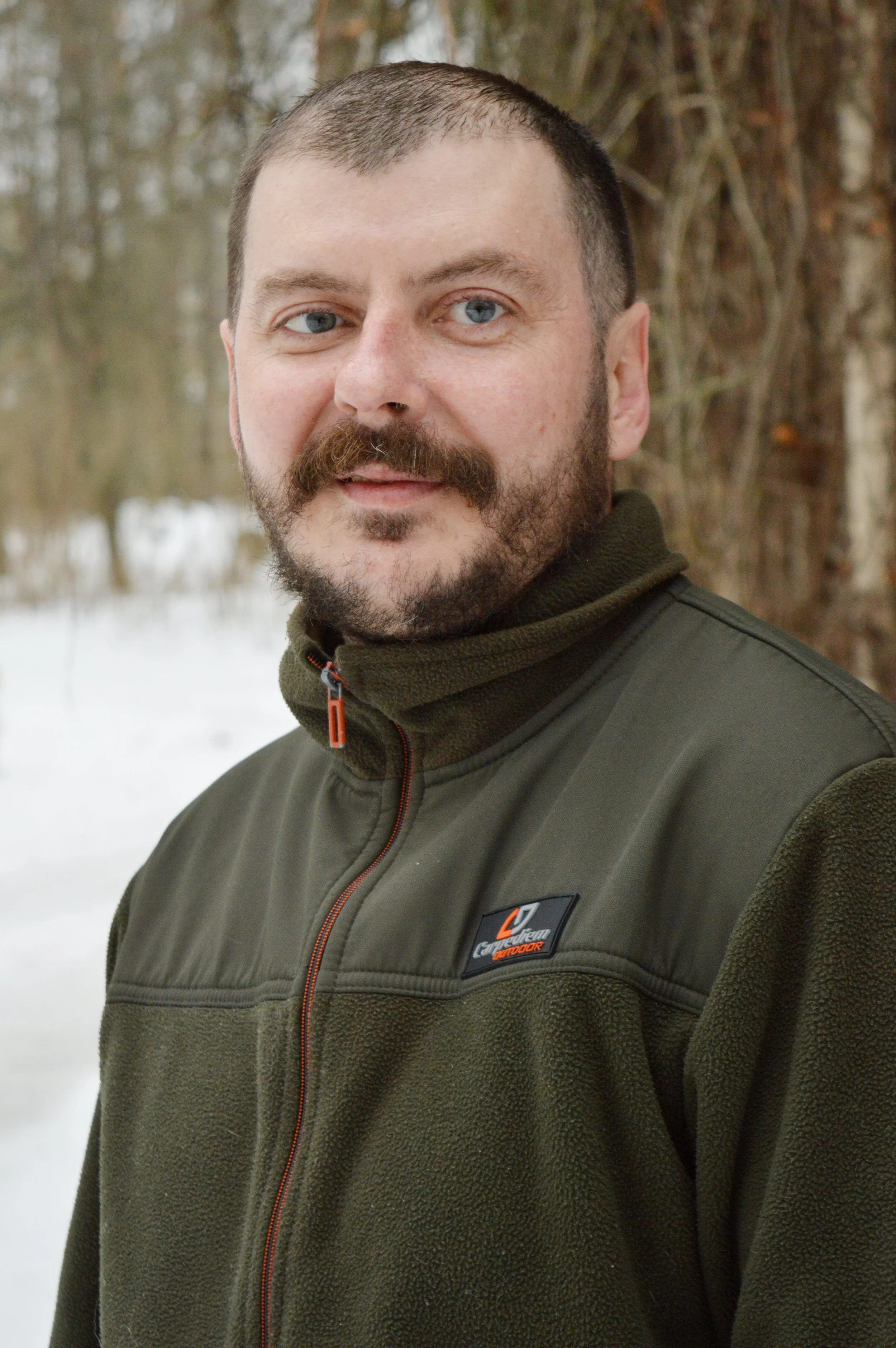
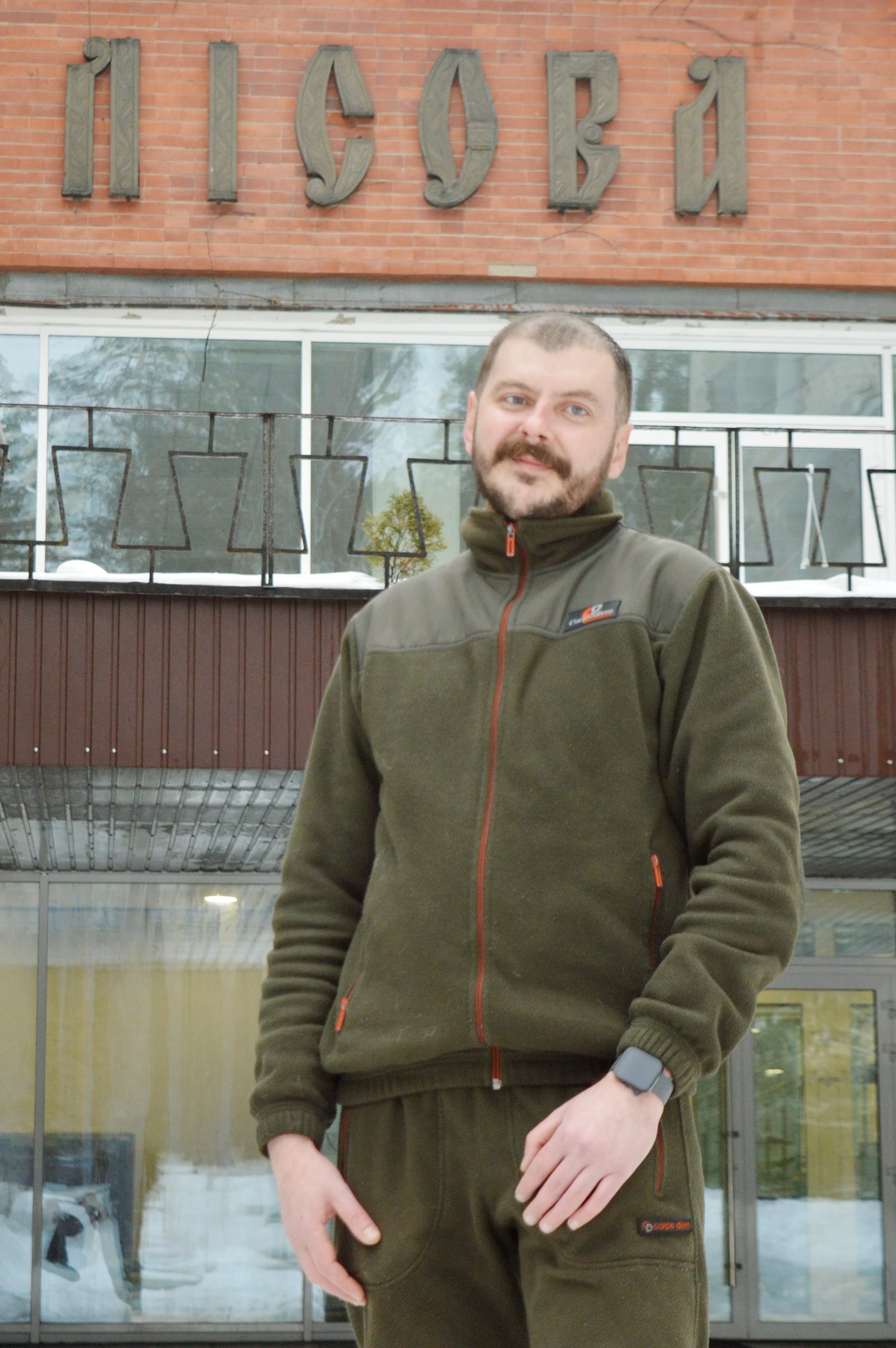
Vasyl Horobets’ Story
After seven years of survival, he returns to life
This is a story about returning to oneself after many years of survival and the small shifts that, over time, create tangible change.
Vasyl Horobets is a veteran, a former prisoner of war, and a participant in Heal Ukraine Trauma’s Group Ketamine-Assisted Psychotherapy (G-KAP) program. In 2015, he enlisted in the Armed Forces of Ukraine, and in 2018, he was captured by the occupying forces of the so-called Donetsk People’s Republic (DPR) and sentenced as a Ukrainian serviceman. Today, he speaks about gradual improvement and the hope that appears along the way.
When Vasyl returned from captivity after seven and a half years, he felt that the hardest part was behind him. He had survived experiences that are difficult for many people to imagine, and came home carrying years of trauma that do not simply disappear. But quite soon, it became clear that the path of recovery was only beginning. Inside, he felt empty. His sleep was shallow and restless. He could almost never relax. Vasyl describes it as emotional exhaustion that had been accumulating for years and finally made itself known.
In captivity, Vasyl learned to survive through constant inner mobilization. Any swerve into negativity could become dangerous, so Vasyl consciously tried to remain as focused and positive as possible, a strategy that helped him endure. But after returning home, he discovered that the tension had not disappeared. It had only changed form.
Over time, Vasyl noticed that he barely felt emotions, as if everything inside had gone numb. His fatigue never passed. He turned to psychotherapy, and, through his therapist, learned about Heal Ukraine Trauma’s Group Ketamine-Assisted Psychotherapy program. Having a background in medicine, he perceived this option as another tool that could help him feel like himself again.
Vasyl noticed changes after the first session. His sleep became deeper. His anxiety decreased. His overall state began to slowly stabilize. He describes both sessions as a gentle but very important experience, one without imposed solutions or ready-made answers. “Ketamine does not show you what you want,” he says. “It shows you what you need.”
The group format also had special meaning. Vasyl speaks about the sense of support that emerges among people with different, yet essentially similar, stories Listening to other participants helped him better understand his own path and feel that he was no longer alone. The preparatory part of the program was important as well. For several weeks before the ketamine sessions, participants met online, gradually getting to know each other and building trust. Even after completing the program, the group continues to stay in touch. For Vasyl, this is a sign that G-KAP is not only about therapy; it is also about community.
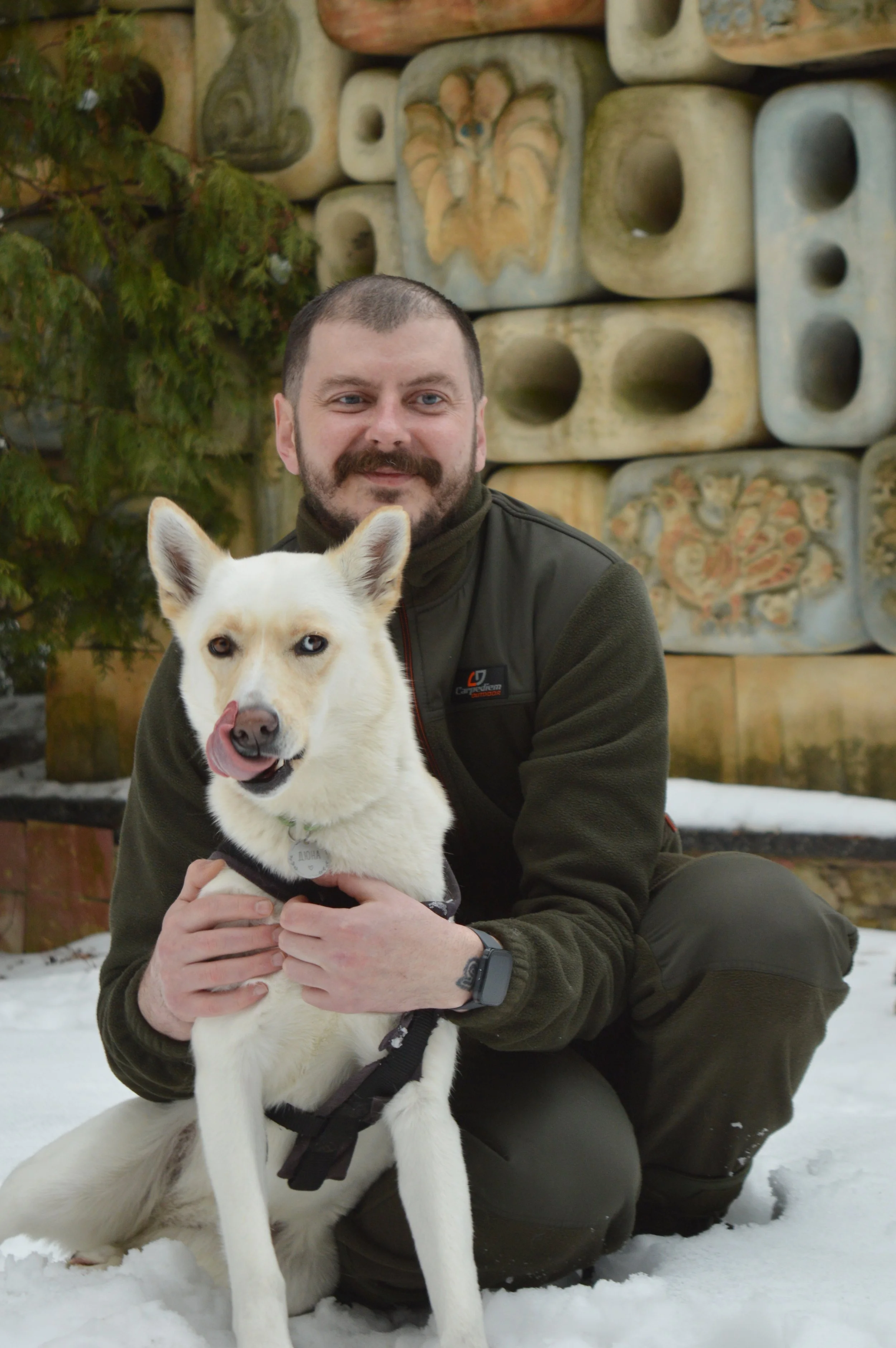
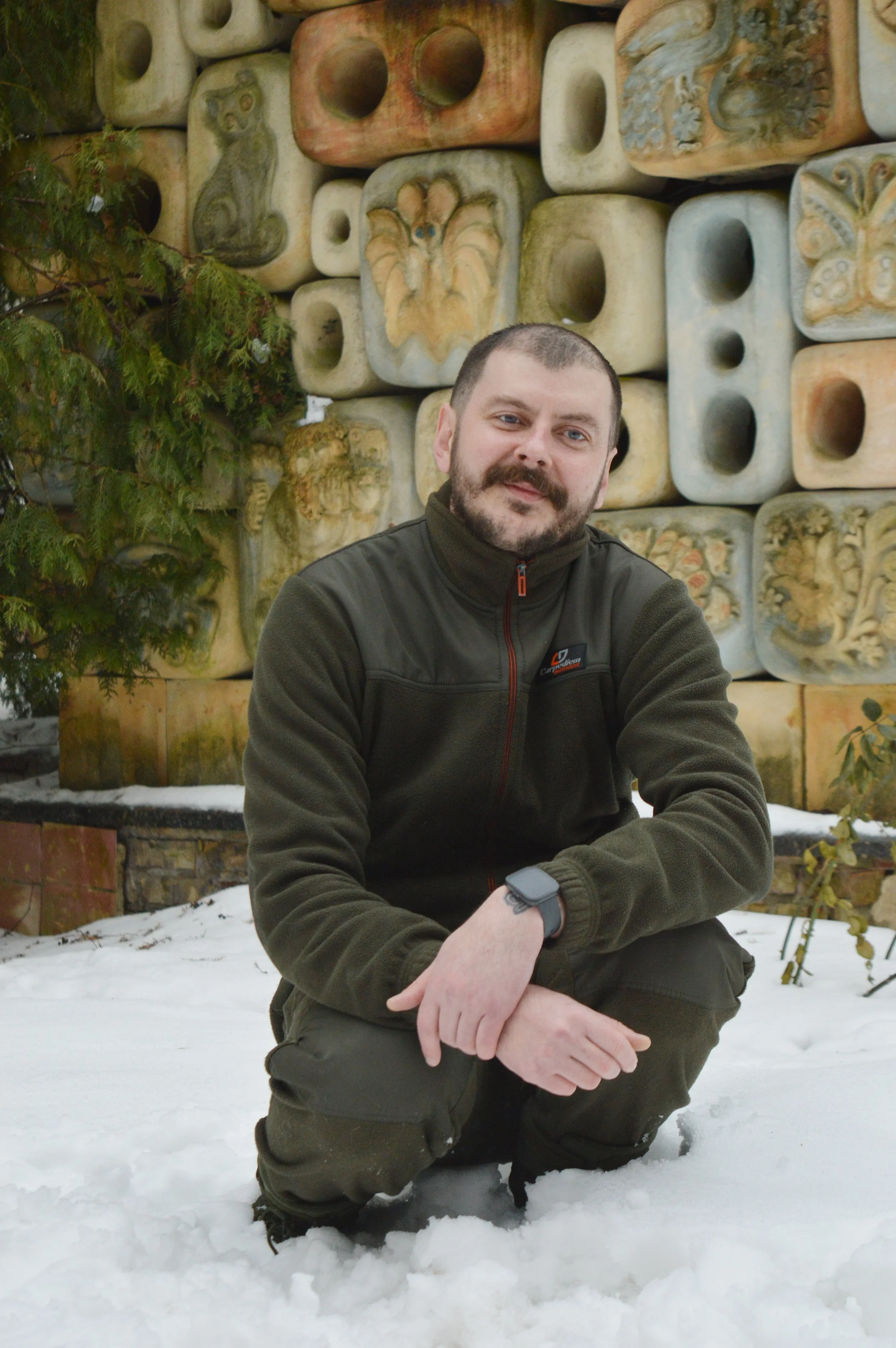
Gradually, emotions began to return. Vasyl says that before, he felt almost nothing. Now, inner movement is appearing: he feels curiosity about life, about learning, and about the future. He is currently studying practical psychology and wants to work with people who have experienced trauma, including those who survived captivity. For Vasyl, this feels like a natural continuation of his own journey.
Vasyl does not speak about complete healing and does not idealize his condition. “I am still in the middle of my path,” he says. “But I know for sure that I am moving in the right direction.”
His relationship with the past has also changed. “I perceive everything that happened to me as experience. Even captivity. It is an experience that made me stronger.”
Vasyl continues individual therapy and participates in integration and support meetings for G-KAP graduates.
To those who hesitate to seek help for trauma, Vasyl advises not to be afraid and to start with a simple step, like going to a group meeting or meeting with people who have gone through the program to see that change is possible. He describes his current state with one word: “improvement.” Not a final destination, but a forward movement. And for someone who once felt empty inside, this movement means a great deal.
Photo by Andrew Pelukhovskiy